Tag: ESP32-S3

  • PanaProxy

    PanaProxy

    ESP32-based alternative controller for Panasonic Aquarea heat pumps
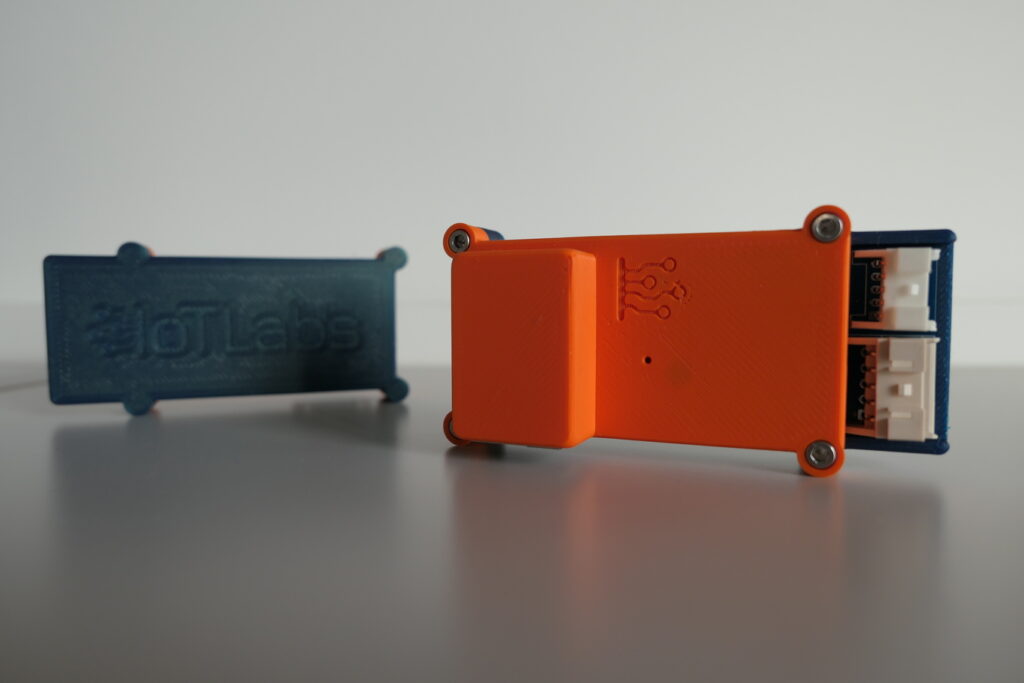
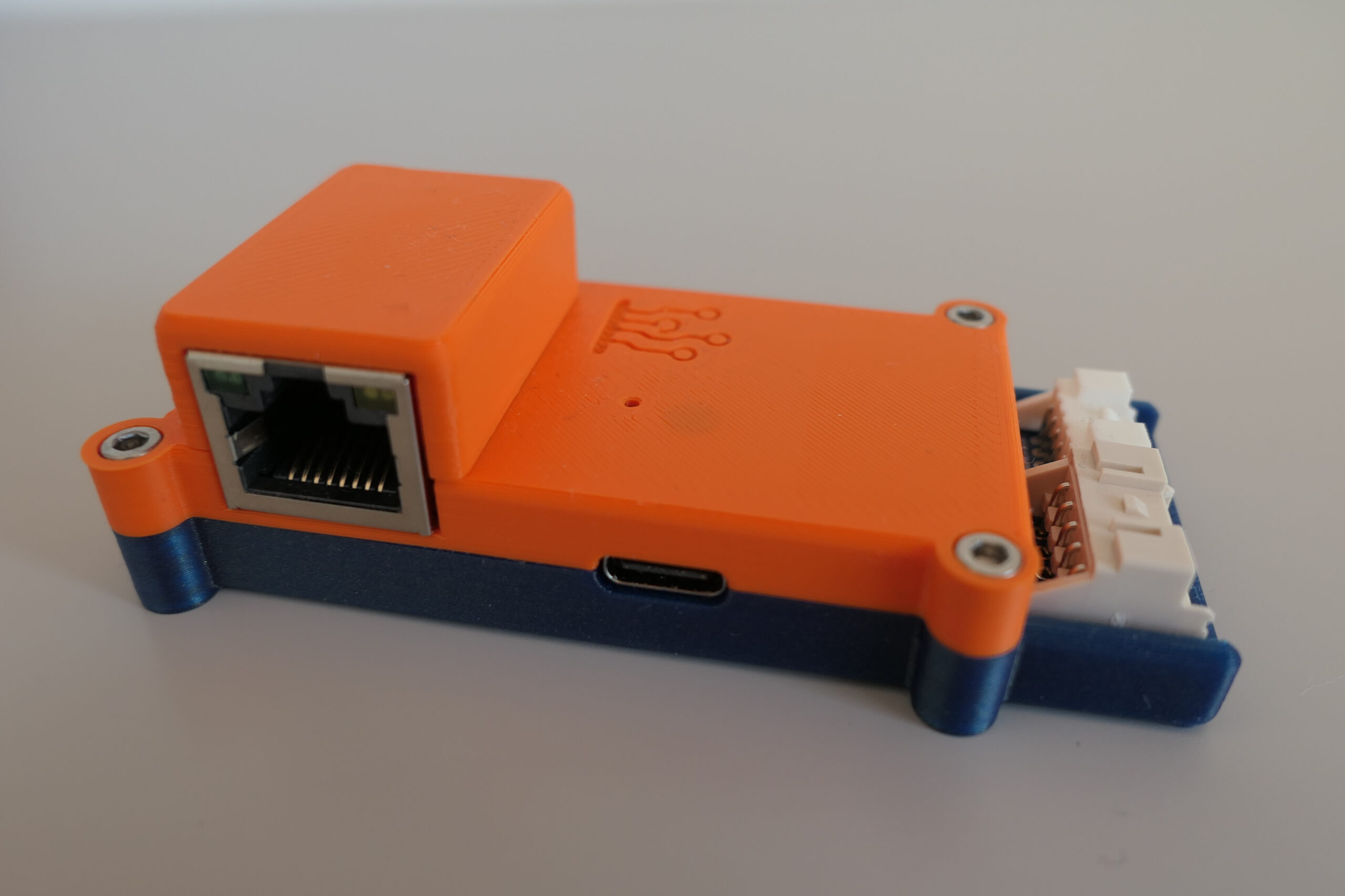
    PanaProxy is an ideal solution for users looking for an alternative controller for Panasonic Aquarea series heat pumps, offering high flexibility and extensive integration capabilities with home automation systems.

    The controller is based on the ESP32 platform and has been designed with full Home Assistant integration in mind. Thanks to the ESPHome framework, the device can be quickly deployed as a home automation component responsible for controlling home heating or monitoring the operation of the original controller. Individual heat pump parameters are exposed as entities in Home Assistant, enabling the creation of advanced automations and scenarios tailored to the user’s individual needs.


    🔧 Key technical features

    • ✅ ESP32-C3 – energy-efficient microcontroller with Wi-Fi and BLE
    • 🌐 Built-in 2.4 GHz antenna for Wi-Fi and Bluetooth
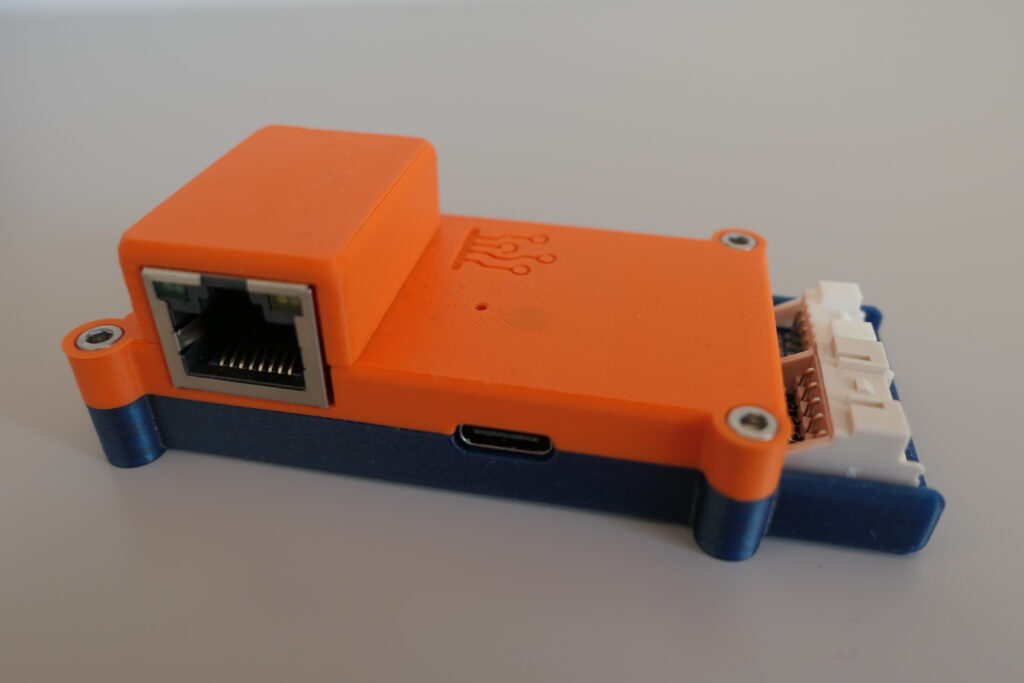
    • 🔌 Alternative 5V power supply via USB-C connector
    • 🖧 RJ45 connector for Ethernet communication (PanaProxy-ETH only)
    • 🔧 Compatible with Panasonic Aquarea heat pumps
    • 🏠 ESPHome compatible – full integration with Home Assistant

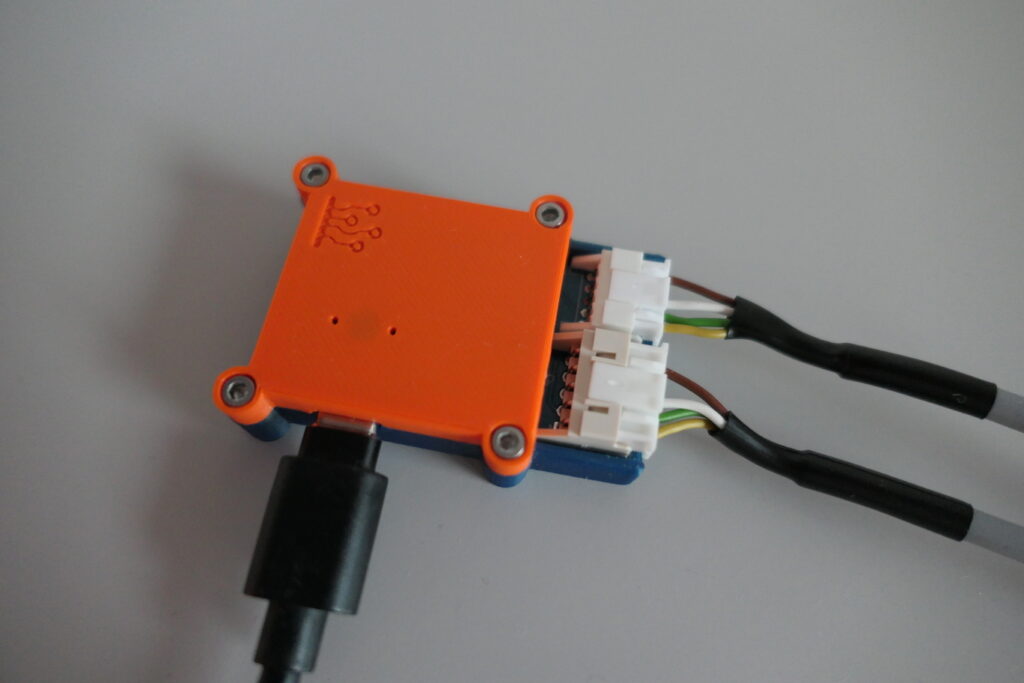
    The device is equipped with a dual connector compatible with the original controller interface. This allows it to be connected to the heat pump using the original cables replacing the factory controller, or installed in series with the original controller. In this configuration, it can operate as a monitoring device that collects operational data from the heat pump and transmits it to a home automation system.
    The PanaProxy project is based on the popular HeishaMon project. PanaProxy extends the functionality of HeishaMon by offering native operation within Home Assistant environments and enabling the use of all ESPHome features, such as automations executed directly on the device, COP (Coefficient of Performance) calculation, and integration with other sensors and devices within the home automation ecosystem.

    ⚙️ Hardware options

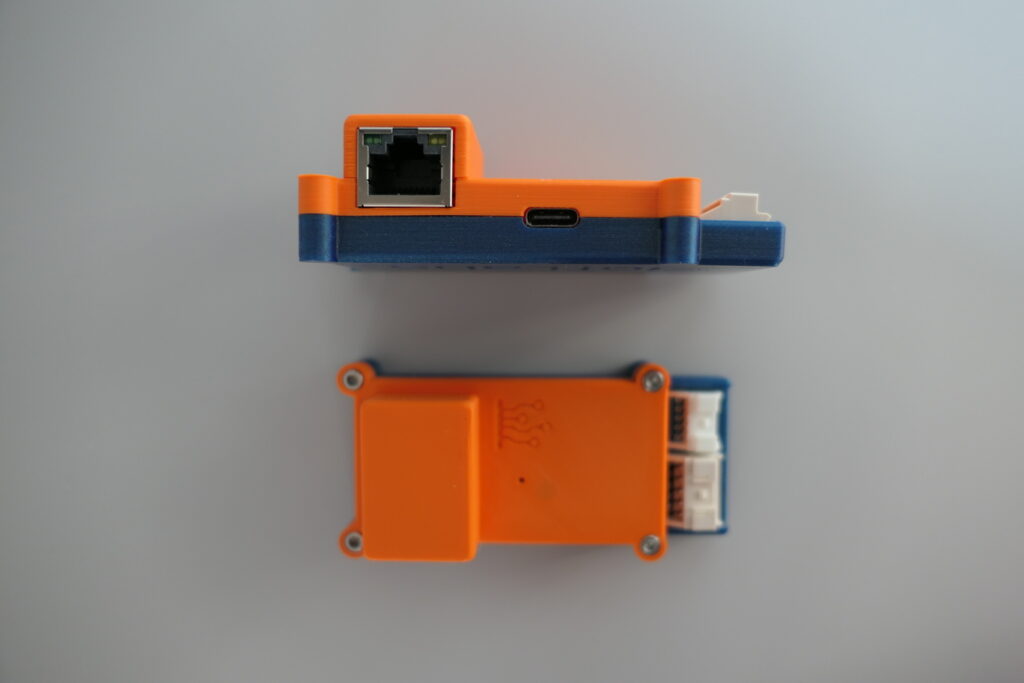
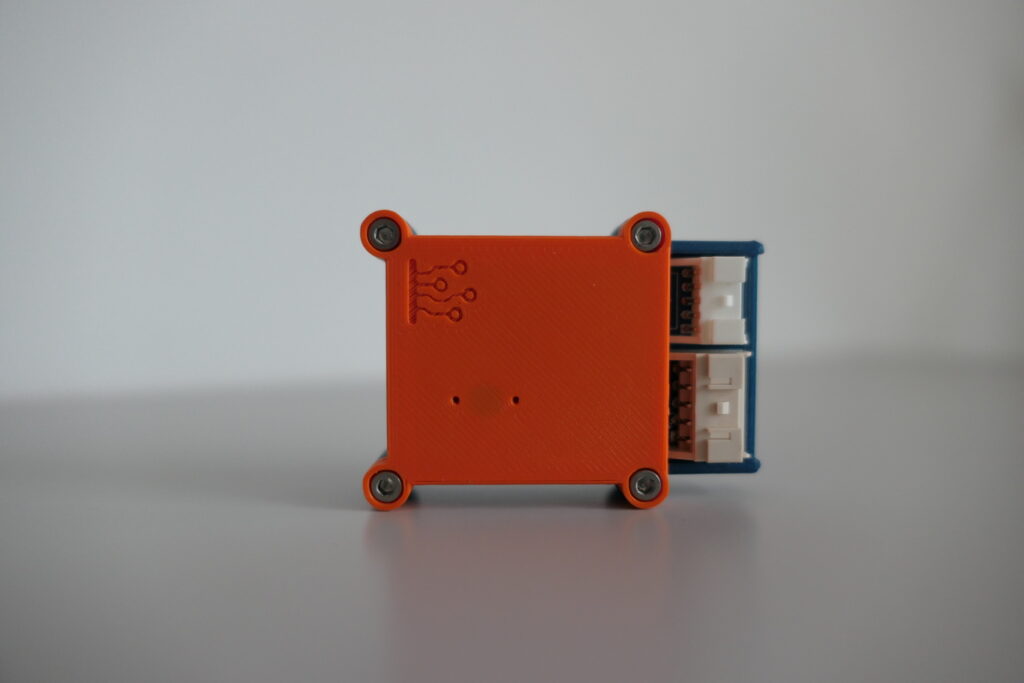
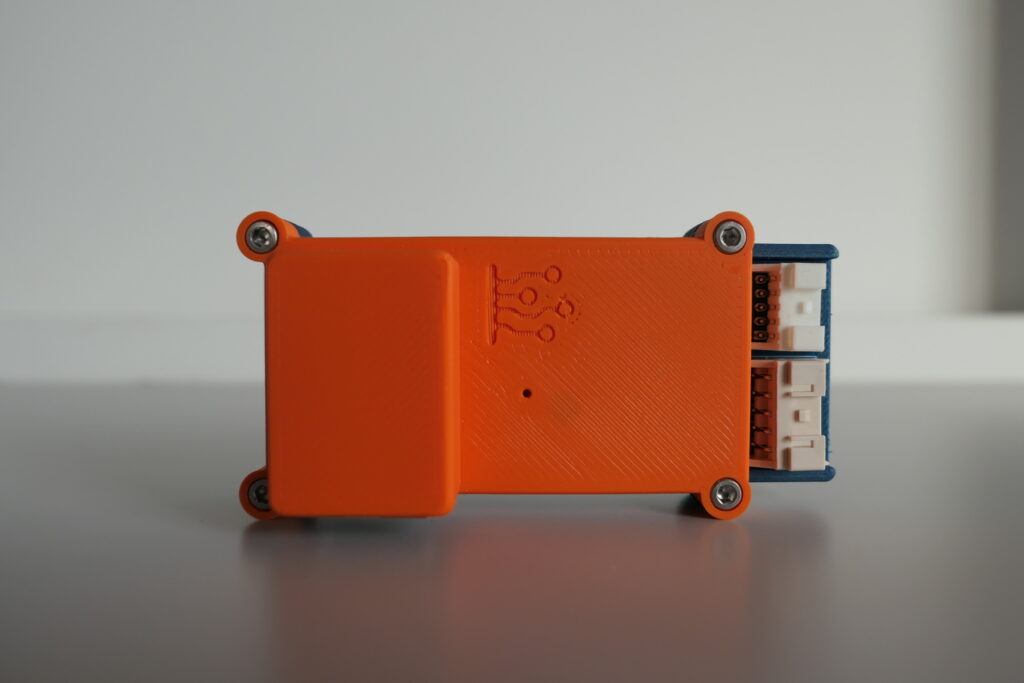
    Two variants of the device are available: a basic version equipped with a built-in 2.4 GHz antenna enabling wireless Wi-Fi communication (PanaProxy), and an extended version that additionally includes an Ethernet port for a stable wired connection (PanaProxy-ETH).
    🛒 Availability

    PanaProxy is currently at the final phase of development stage. Wanna become one of the first users? Contact us at [email protected].


    🛠 Complete openness and flexibility – take control your way

    The device works directly with Home Assistant via ESPHome, enabling:

    • 📤 Publishing data to MQTT, native API, REST endpoints, or TCP/UDP sockets
    • 🔧 Easy configuration via YAML or a graphical interface
    • 🔄 OTA firmware updates

    Everything operates locally – no intermediaries or cloud required.

    PanaProxy is designed for users who value full control over their hardware. By default, it runs on ESPHome, but you can also:

    • 🔄 Upload your own firmware (ESP-IDF, Arduino, MicroPython, etc.)
    • 🔌 Integrate the device with other automation systems

    With open access to the code, documentation, and the well-known ESP32 ecosystem, the gateway can be easily adapted to custom needs and protocols.

    Firmware available on: https://github.com/IoTLabs-pl/PanaProxy

  • Smart Motor Driver

    Smart Motor Driver

    DC motors driver with encoder based on ESP32-S3

    Smart Motor Driver is a dual-channel DC motor controller with encoders, designed for precise motion control in applications such as home automation, robotics, mechatronics, and positioning systems. At its core is the ESP32-S3, a powerful microcontroller with Wi-Fi connectivity, offering extensive integration possibilities with control systems, including Home Assistant, thanks to full ESPHome compatibility.


    🔧 Key technical features:

    • ⚙️ Supports two DC motors with quadrature encoders
    • ⚡ Supply voltage range: 8–36 V
    • 🔌 Up to 800 mA per channel – ideal for JGA25-370 type drives
    • 🧠 ESP32-S3 on board – full flexibility for firmware (ESPHome, Arduino, custom solutions)
    • 📐 Compact size: 56 × 50 mm

    Advanced motors control

    Each channel is equipped with a full H-bridge implemented using the DRV8801, which allows:

    • Smooth motor speed control via PWM
    • Direction selection
    • Active braking
    • Hardware protections: short-circuit, thermal, overvoltage, and overcurrent safeguards

    Limit switch support

    Each channel has two independent limit switch inputs, allowing protection of the drive’s end positions (up/down, left/right, open/closed). The inputs can operate in two modes:

    • 🔘 Digital (ON/OFF) – for classic mechanical or optical limit switches
    • 📉 Analog with adjustable threshold – e.g., for magnetic sensors with voltage output or phototransistors

    This solution enables precise and flexible adaptation of the limit system to different types of drives and operating environments.


    Advanced motion control – ready-to-use ESPHome firmware

    Smart Motor Driver comes with ESPHome firmware, enabling full integration with Home Assistant and providing smart servo functionality:

    • 🔁 Dual-loop PID controller:
      • Position loop (external) – precise positioning
      • Velocity loop (internal) – motion stabilization and smoothness
    • 🧮 Trajectory planner – dynamically generates ramps (acceleration, max speed, movement duration)
    • 📡 Live encoder position reading – actual, non-estimated measurement
    • 🔗 Channel motion synchronization – coordinated control of two motors (e.g., simultaneous raising of a dual awning)

    Firmware available on: https://github.com/IoTLabs-pl/Smart-Motor-Driver


    Applications

    The primary intended use of the Smart Motor Driver is controlling blinds, awnings, and curtains, where precise position control, motion synchronization, and remote integration with smart home systems are required.

    Thanks to real-time position feedback from quadrature encoders, it is possible to determine the exact drive position without relying on time-based estimation. This significantly improves accuracy, repeatability, and system safety.

    • 🪟 Automatic blinds, shutters, awnings, curtains
    • 🤖 Mobile robots and manipulators
    • 🏗️ Rotating platforms, linear guides, XY systems
    • 🏠 Smart home systems (Home Assistant, ESPHome)
    • 🎓 Educational projects and prototyping in mechatronics and IoT